Mid-Lease Inspections to verify aircraft modifications and capability would often involve looking at the following items;
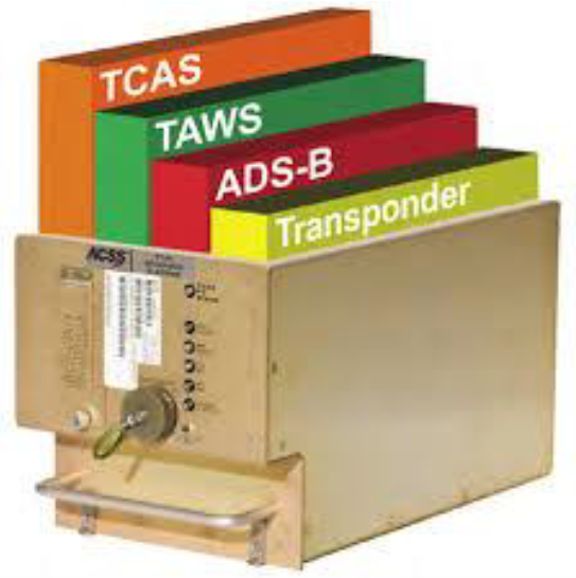
ACARS – Aircraft Communications Addressing and Reporting System – Confirm ACARS capability by reviewing FCOM (Flt Crew Ops Manual; if power is available, verify through MCDU (multifunction Control Display Unit) by checking for datalink printer; annotate the P/N into your checklist and report.
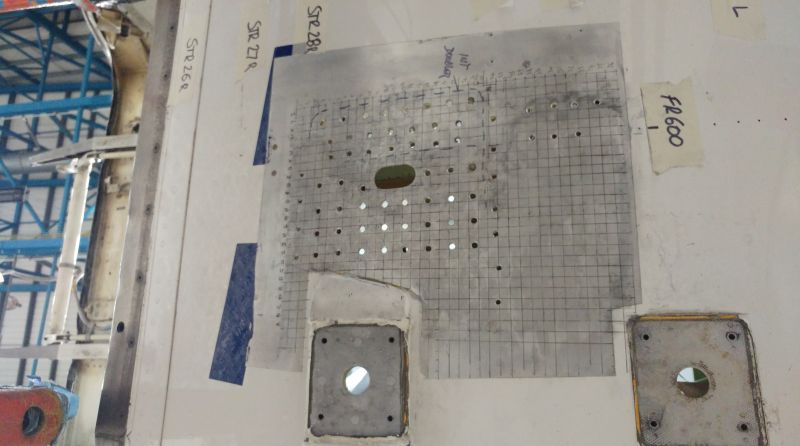
Evaluating aircraft structural damage on a physical inspection against a damage map overview.
The location of the damage is the first item to check, this ensures you can pin point the damage and should the reflect accurate location on the aircraft – this should not be a vague zone (exterior fuselage skin between frames 14-15 and stringers L 12 – L 13 is not acceptable) and typical locations could detail Body Station / Frame / Stringer / Buttock Line etc.
The damage should be noted as a specific “type” and typical examples include “Dent”, “Scratch”, “Delamination”, “Gouge”, “Crack” or other such entry entries. This is an important part of the record, as the limits for damage and required actions can differ based on this assessment.
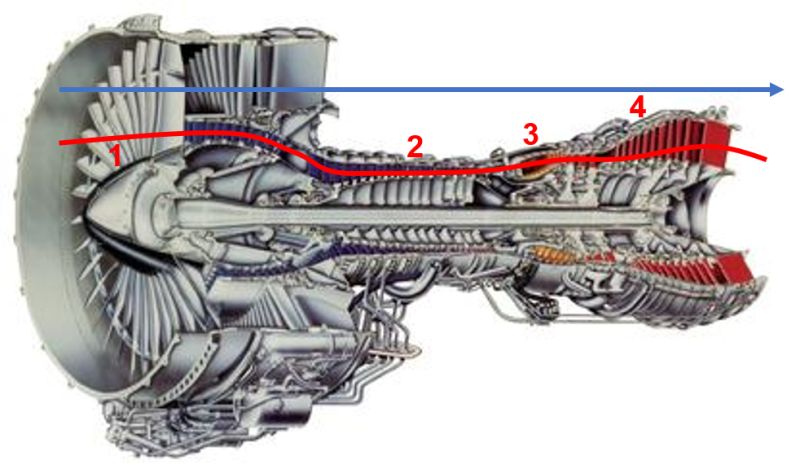
An introduction to Engine Exhaust Gas Temperature (EGT) and why issues with it are important in trend monitoring.
EGT is a measurement of temperature that is taken at the back of the engine. The location can differ for manufacturers where the EGT is measured, and each engine type will have its own limits and norms so an EGT range is specific to that engine type and not across the board.
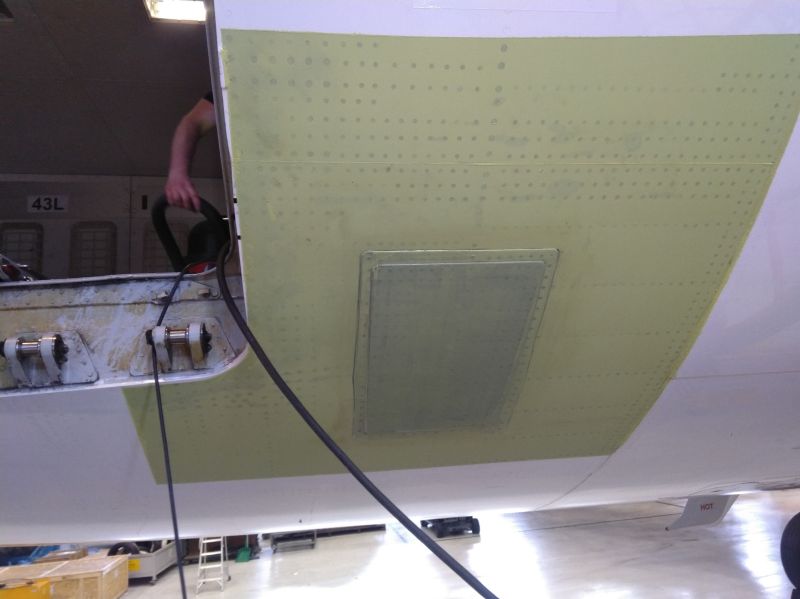
During an aircraft’s life it will almost certainly sustain some damage which will require a repair; note even if damage is acceptable “as is” we still consider this a repair.
Typically, damage will be assessed against a document such as a “Structure Repair Manual” and based on the assessment compared to the limits defined actions will be required (Inspection / Non-Destructive Testing / Repair patch etc)
Modifications are commonly carried out by a lessee during a lease term; the modification may remain in use, or it might be removed in the same lease period.
So, if an operator leases an aircraft, then performs a modification in the cabin for example, but a couple of years later makes a change again and decides to remove the modification; do you need to look for any information regarding the now removed modification?