A bare metal inspection is commonly abbreviated to BMI and is commonly used to refer to the inspection of a metallic fuselage that is stripped of paint.

It is not a mandatory task to repaint aircraft, the paint is a protective layer and while it must be maintained, it can be repaired or “touched up” as required. With this in mind then we can determine that the fuselage is not in this condition regularly.

For some end-of-lease requirements, part of this is to present the aircraft in a white livery. It might not always require a repaint of everything and might be limited only to the fuselage or only covering logo for example.

Read More

The value of the reliability data is important to the airline operating the aircraft not only to demonstrate compliance as a reliability programme is required by regulation but also to amend the Aircraft Maintenance Program for the operators’ aircraft (such as extending or reducing interval threshold) based on their experience and operating environment.

Read More

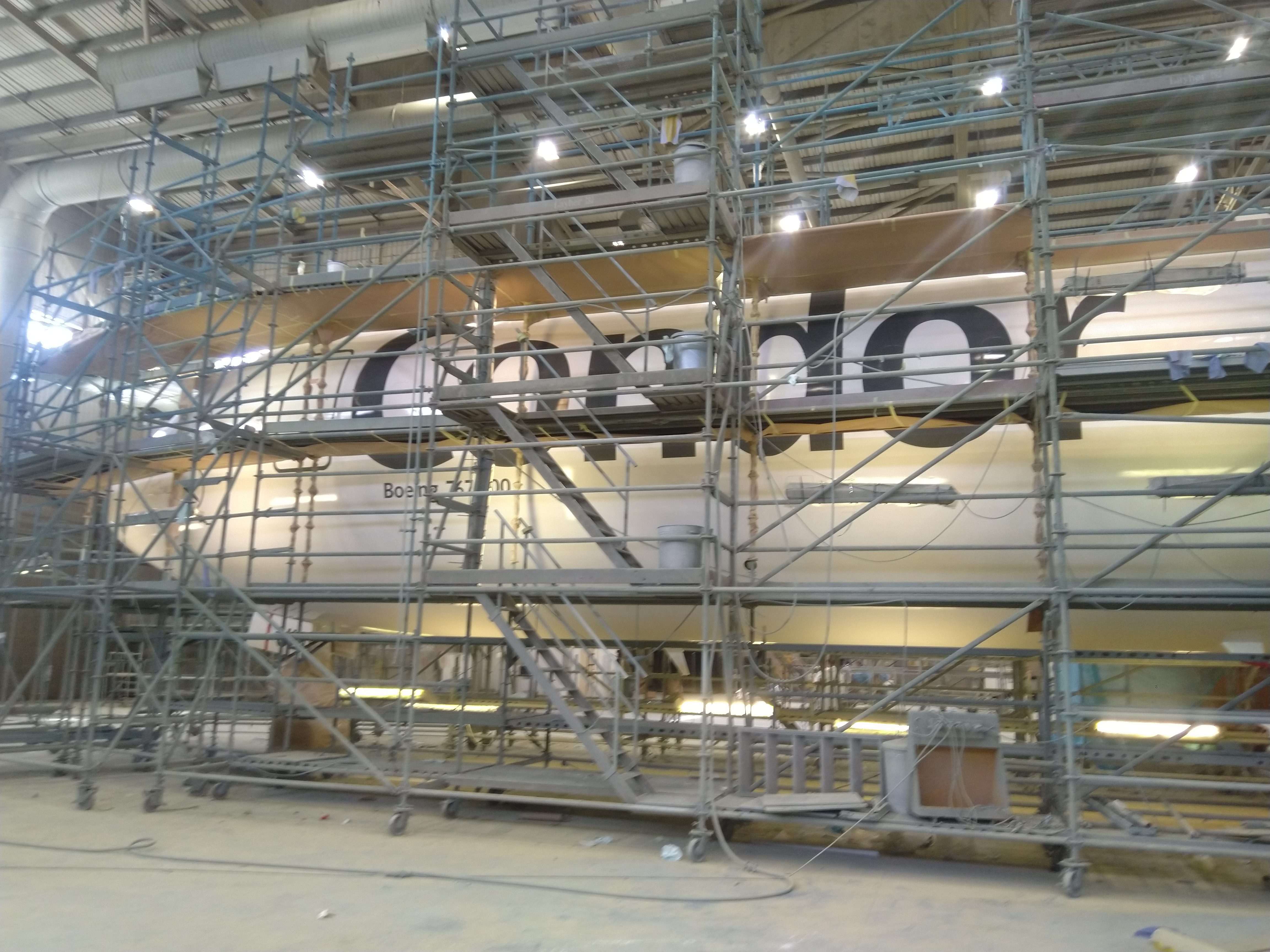
The aircraft paint input is a complex event often carried out on a tight timescale and with budgetary considerations. The induction into paint is an important time and you should be aware at this time of the contacted options on the paint input.

Often the contract might state costings based on paint thickness on different areas –it is important to check the paint thickness measures in microns and ensure that samples are taken in multiple places onsurfaces.

A good practice is also to take many photos of the condition of the aircraft at this stage and note any damage, window condition, and ensure you have good quality images to refer to.The aircraft has multiple probes, ports, openings and antenna for example where it can be harder to prepare the aircraft for paint. Here masking and protection is a part of the process carried out before sanding and stripping begins.

Read More

Reliability monitoring of aircraft is a vital topic for consideration both as part of aircraft management (CAMO) and also aircraft leasing as a repeating defect can be grounds for a financial arrangement if the defect repeats within a certain time frame.

When we mention component removals for reliability purposes, we are not concerned about planned routine component removals. For example, if we remove a component for a reason such as an overhaul or to perform a modification then this is a planned removal. It does not have a negative impact on the aircraft and or component as it has not actually failed in service.

Read More

During the asset Life-Cycle the lessor has a duty to carry out aircraft due diligence on a periodic basis at a frequency agreed in the Aircraft Lease Agreement, this due diligence is commonly referred to as the “Mid-Lease”or “Mid-Term” Inspections.

We have looked at the varying different areas in the past few weeks and you can explore these posts to learn more –in a summary of these, it is important to define the required scope of what data needs to be collected.

Read More